Steal This Play · Oct 21, 2026
Treat the grocery aisle like a tasting room: $1 per customer acquired
Jessica Kogan says typical DTC customer acquisition in the liquor industry runs $100 to $125, while in-store sampling runs about $1 per customer when you count samples, conversations, and 24-hour follow-on purchases. The play is a structured tasting program with data capture behind it, not a card table and a few open bottles.
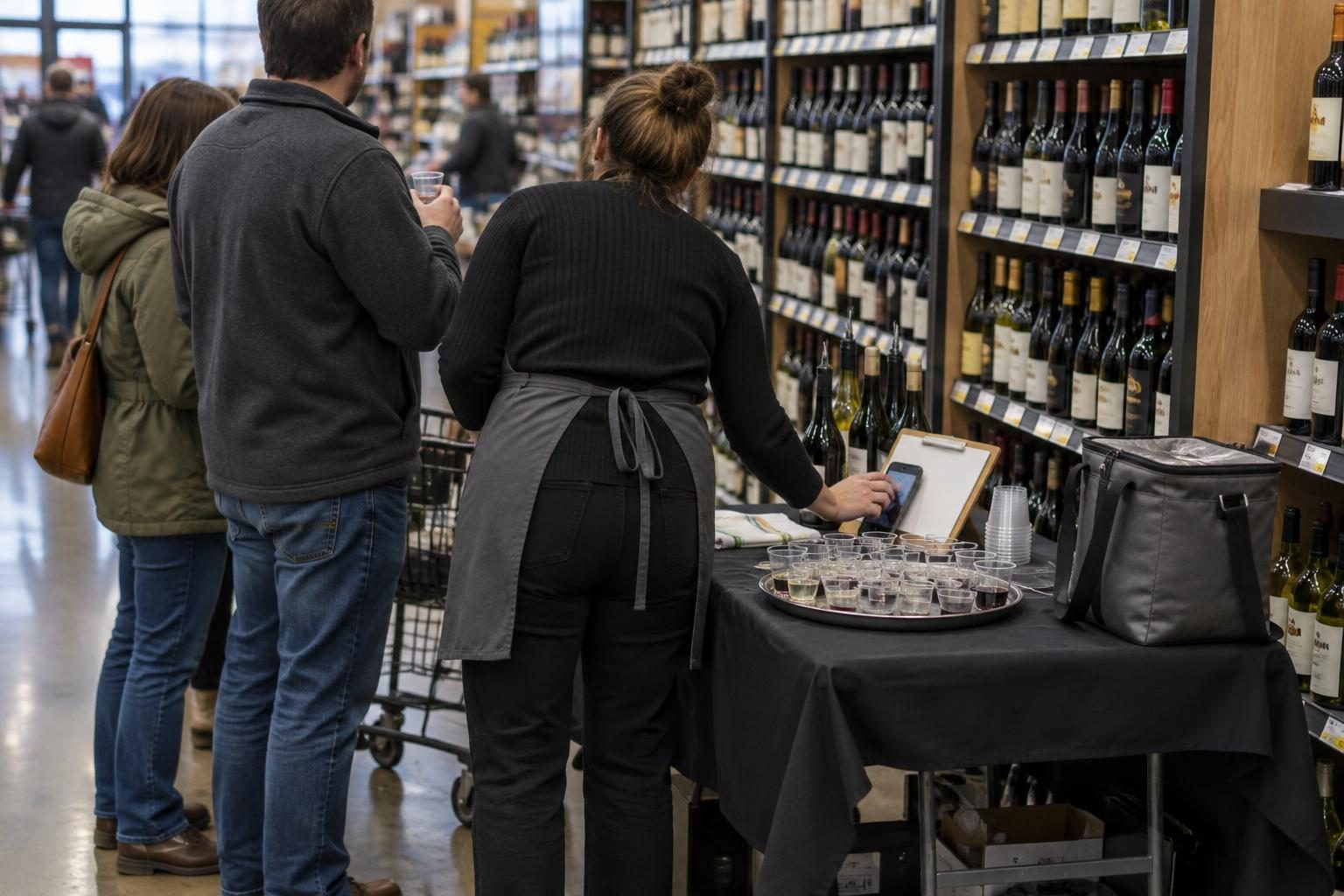
Jessica Kogan built HSP Brands around a problem most suppliers live with: you ship product into national grocery chains and then have no idea what shoppers think of it until Nielsen tells you months later. On the XChateau podcast, Kogan (CEO of HSP Brands, previously co-founder of Cameron Hughes Wine, where she took the DTC business from $25M to $150M in 3 years at Vintage Wine Estates) laid out how she closes that gap.
The play: run in-store tastings as a measured channel. One supplier per event. Usually one bottle sampled, sometimes a portfolio. Staff are trained W2 part-timers who go through in-person interviews, shadowing, and a nine-part digital training module before their first shift. Every consumer interaction gets logged into a database that reports brand performance, consumer hesitations, and recommendations.
The results Kogan cites: over $100 million of product sold, more than 1 million consumer conversations last year, results visible within 48 hours of each event, and tasting data showing trends 8 to 12 weeks before Nielsen catches them. Pricing runs $225 for three hours or $375 per additional hour, three-hour minimum, with four hours recommended and 50 to 100 events across two markets as the typical program.
Adapt it down: pick your five best accounts, staff the tastings yourself, and have whoever pours log three things on a phone, bottles sold, number of conversations, and the single most common objection. A retailer can do this with their own staff on a Saturday. A brewery or distillery can do it at tasting events where sampling is allowed in your state.
Count the objections, not just the bottles. The objections tell you whether the problem is price, label, or the shelf position, and that is the part you can fix before the next event.